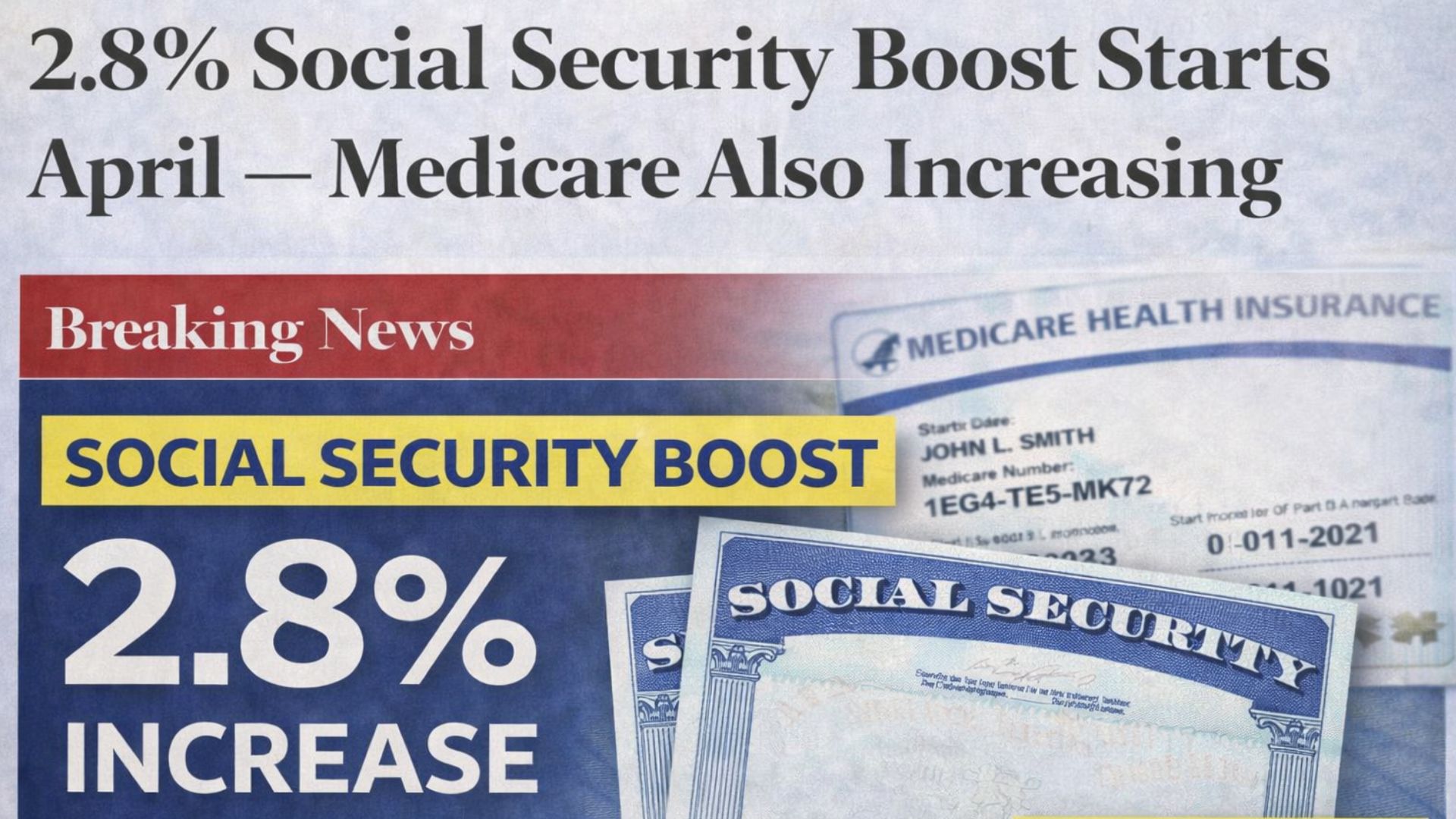
Beginning in March 2026, Americans who rely on Social Security benefits will experience a modest yet meaningful increase in their monthly payments. This change aims to improve the financial well-being of millions of beneficiaries across the country. The Social Security Administration’s decision to implement a 2.8% increase is part of an ongoing effort to adjust benefits in response to rising living costs and inflation. Alongside this increase, Medicare premiums are also set to rise, affecting how much recipients will receive and spend.
Understanding the 2.8% Increase
The 2.8% boost in Social Security payments is designed to help beneficiaries cope with the increasing cost of living. Each year, the Social Security Administration evaluates inflation data, primarily through the Consumer Price Index for Urban Wage Earners and Clerical Workers (CPI-W). This index reflects price changes for goods and services typically purchased by urban consumers, serving as a vital indicator for adjusting benefit amounts. The 2026 adjustment comes after careful consideration of current economic conditions and aims to ensure that recipients can maintain their purchasing power.
The COLA adjustment is particularly crucial for retirees who depend heavily on Social Security as their primary source of income. While a 2.8% raise might seem modest at first glance, it represents a significant step towards safeguarding financial security for millions of Americans facing rising expenses from healthcare to daily necessities.

Implications for Beneficiaries
For those receiving Social Security benefits, the increase may alleviate some financial pressure associated with escalating costs across various sectors, including housing, food, and medical care. Although each individual’s experience will vary based on personal circumstances, such as location and lifestyle, this adjustment could mean a difference of several hundred dollars annually for many beneficiaries.
The increased benefits will also play a role in helping seniors manage unpredictable expenses that often arise with aging. Medical bills, home repairs, or other unforeseen costs can quickly deplete savings or strain fixed incomes. Thus, even a small increase can be critical in maintaining peace of mind and ensuring seniors can cover such costs without sacrificing their quality of life.
Medicare Premiums on the Rise
Alongside the increase in Social Security payments, Medicare premiums are also expected to rise starting March 2026. This uptick will impact beneficiaries enrolled in Medicare Part B, which covers medical services including doctor visits and outpatient care. The rising premiums are attributed to various factors such as higher healthcare costs and advancements in medical technologies that lead to more expensive treatments.
For many seniors who rely on both Social Security income and Medicare services, balancing these changes will require careful budgeting and financial planning. Although the raised premiums might offset some benefits from the increased Social Security payments, they are essential for maintaining comprehensive healthcare coverage amid growing demands on the healthcare system.
Preparing for Financial Adjustments
As March 2026 approaches, it’s crucial for beneficiaries to prepare for these adjustments by reviewing their budgets and understanding how both increases in benefits and premiums might impact them financially. Beneficiaries should consider consulting with financial advisors or utilizing resources provided by senior advocacy organizations that offer guidance on managing these changes effectively.
Staying informed about upcoming changes is essential not only for beneficiaries but also for family members who may assist older relatives with financial planning. Awareness allows individuals to make informed decisions about their healthcare options and daily expenses as they navigate retirement years.
Disclaimer: The information provided in this article is intended for general informational purposes only and should not be construed as legal or financial advice. Always consult with a qualified professional regarding any questions or concerns you may have about your specific situation related to Social Security or Medicare adjustments.