
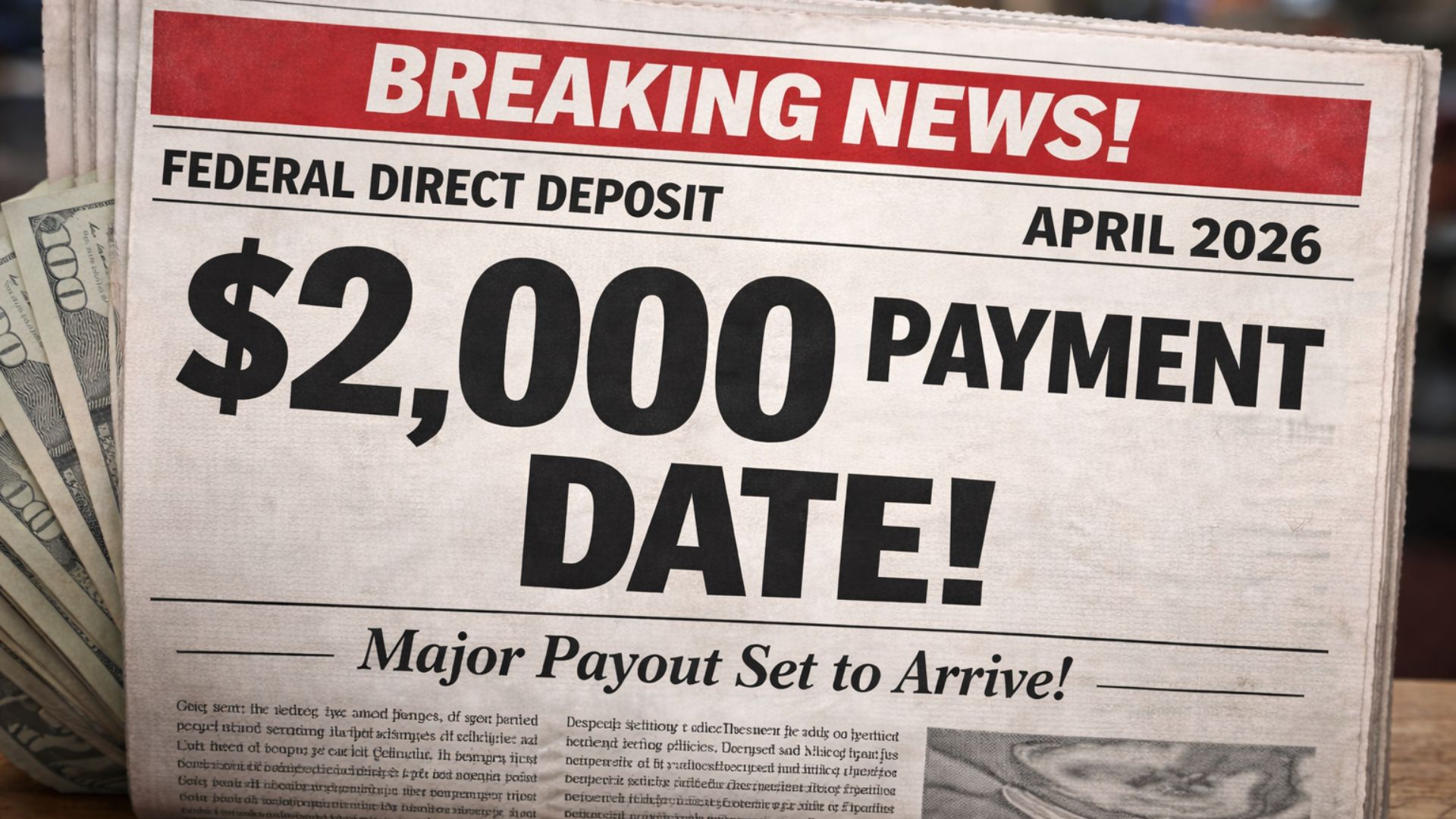
As March 2026 unfolds, American families continue to navigate the aftermath of holiday spending, with many eagerly awaiting financial relief in the form of a $2,000 federal direct deposit payment. This anticipated government assistance aims to bolster household budgets at a time when economic challenges remain prevalent. With the disbursement scheduled for March 31, 2026, this measure seeks to inject much-needed funds into the economy and provide tangible support to individuals and families across the nation.
The Economic Context Behind the Payment
The decision to distribute a $2,000 direct deposit comes in response to ongoing economic pressures that have affected countless Americans. Throughout recent years, inflationary pressures have increased the cost of living, making it increasingly difficult for families to stretch their income. As essential goods and services become more expensive, disposable incomes shrink, leaving little room for savings or unexpected expenses. The federal government’s intervention is thus seen as a necessary step to alleviate financial burdens and stimulate consumer spending. By putting money directly into the hands of citizens, the hope is that these funds will help offset some of the impacts of rising costs while boosting confidence among consumers.
How Will the Payment Impact Households?
For many households, this $2,000 payment represents an opportunity to catch up on overdue bills, pay down debt, or simply rebuild their savings. The infusion of cash provides immediate financial relief, allowing families to better plan for future expenditures without sacrificing current needs. Moreover, this injection could serve as a safety net for those who may be facing employment uncertainties or fluctuating income levels. The broader impact on household financial stability can also be significant; by reducing debt loads or increasing savings, families can improve their credit standing and enhance their financial resilience against future economic downturns.
यह भी पढ़े:
 शिक्षा विभाग ने घटाई गर्मी की स्कूल छुट्टियां, अब इतने दिनों की ही मिलेगी छुट्टी School Holiday
Distribution Process: What to Expect
The process for receiving this direct deposit aims to be seamless and efficient. Those eligible for the payment can expect funds to appear in their bank accounts by March 31, 2026. The government has utilized existing systems developed during previous rounds of stimulus payments to ensure timely distribution. Most recipients will see deposits made automatically based on tax filing information from prior years. For those without direct deposit arrangements on file with the IRS or other relevant agencies, alternative methods such as physical checks or prepaid debit cards will be employed to guarantee everyone receives their share promptly.
Addressing Concerns and Questions
As with any large-scale government initiative, questions and concerns about eligibility criteria and potential discrepancies in distribution are natural. To address these issues proactively, federal agencies have set up dedicated hotlines and online portals designed to assist beneficiaries with inquiries related to their payments. It’s important for individuals to verify their eligibility by reviewing official guidelines provided by the IRS or other designated authorities. In cases where errors or omissions occur during distribution, there are avenues available for recipients to contest discrepancies and seek resolution swiftly.
Long-term Implications for Economic Recovery
While the immediate focus is on providing short-term relief through these direct deposits, there are broader implications tied to such fiscal policies. Analysts suggest that targeted financial interventions like this one can serve as catalysts for economic recovery by promoting consumer spending—a critical component of GDP growth. Additionally, providing direct aid during times of need helps maintain societal stability by preventing severe cutbacks in household consumption patterns that can exacerbate recessions. Over time, continued strategic support measures may encourage sustained economic vitality and bolster trust in governmental capabilities during future crises.

Disclaimer: This article is based on projections and information available as of October 2023 regarding expected government measures set for March 2026. Actual details surrounding eligibility criteria and distribution processes may evolve as new policy decisions are finalized closer to the date specified herein. Readers should consult authoritative sources closer to March 31, 2026, for updated information specific to their circumstances.



When I spectate to get Refund .
2.000 dola