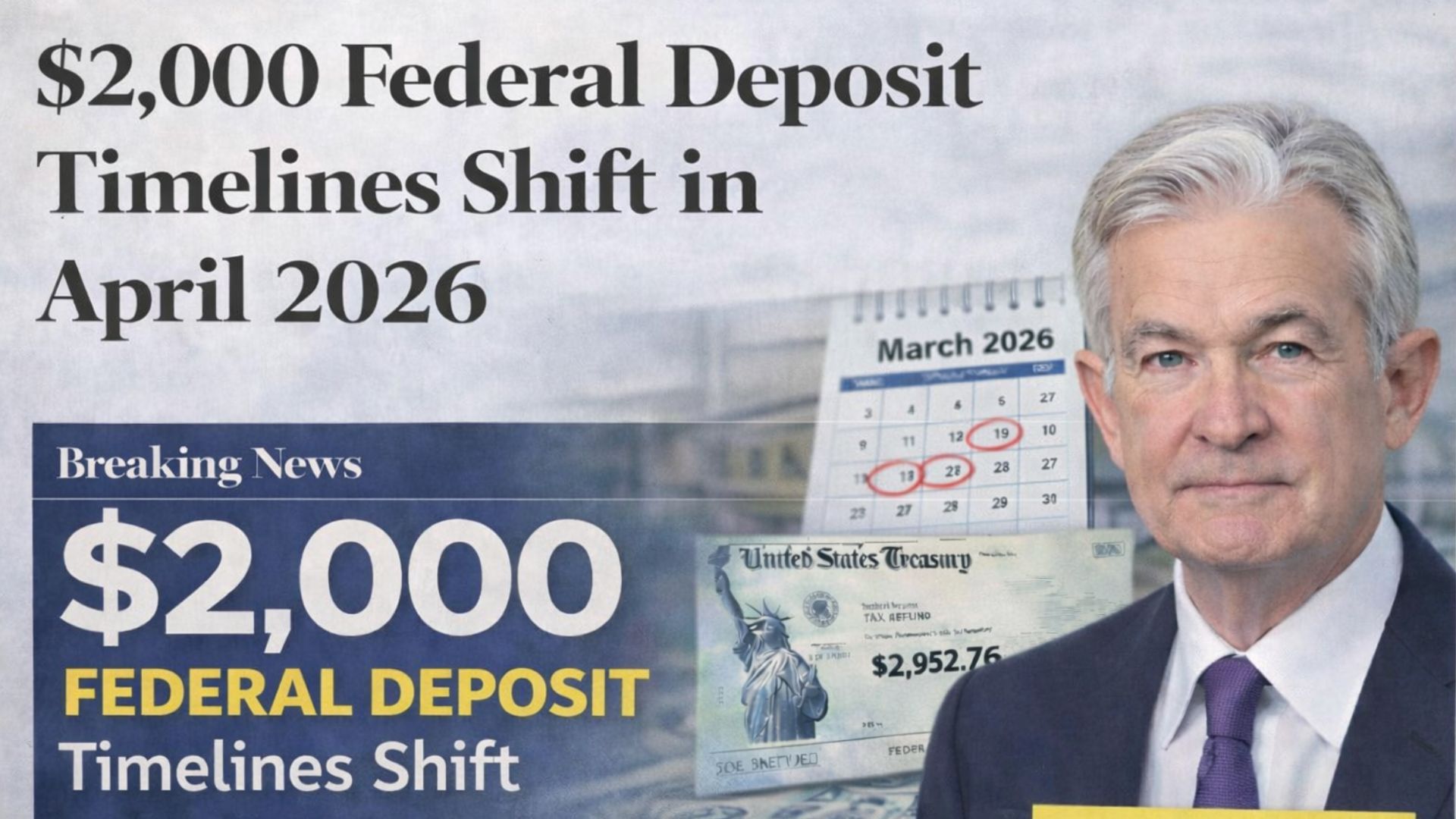
The anticipation surrounding the so-called “$2,000 Federal Deposit” has been steadily building, sparking curiosity and confusion among Americans. This rumored financial boon has prompted speculation about its authenticity and led to widespread discussions about when it might be received. As people attempt to navigate these whispers of financial relief, it’s crucial to separate fact from fiction and understand the factors influencing refund expectations.
Origins of the $2,000 Federal Deposit
The concept of a “$2,000 Federal Deposit” has been circulating largely through social media platforms and informal conversations. It often appears in posts speculating about potential government assistance or tax refunds. While some suggest that this deposit is a continuation or expansion of previous economic relief measures, others view it as a standalone initiative aimed at providing direct financial support to individuals. The idea taps into the broader context of government stimulus efforts that have been implemented in recent years as responses to economic challenges. However, there is no official confirmation or documentation from government agencies that such a deposit exists.
Timeline Shifts and Expectations
Public anticipation around receiving this deposit is palpable, with many looking to March 31, 2026, as a potential date for payments. The spread of information—often unverified—on social media can lead to misunderstandings about when money will actually hit bank accounts. Timelines for government financial distributions are contingent on multiple factors including legislative approvals, administrative processing times, and eligibility verifications. Each of these steps introduces possible delays or alterations to expected timelines. As a result, many individuals may find themselves waiting longer than anticipated or might even discover that they do not qualify for any payment.
यह भी पढ़े:
 शिक्षा विभाग ने घटाई गर्मी की स्कूल छुट्टियां, अब इतने दिनों की ही मिलेगी छुट्टी School Holiday
Factors Influencing Refund Variability
The variability in refund expectations is influenced by several key elements. First, eligibility criteria remain unclear in these unofficial discussions, leading to uncertainty over who might benefit from such a deposit. Different interpretations of eligibility could mean that people in similar financial situations receive different amounts or nothing at all. Additionally, the notion of a universal $2,000 payment ignores nuanced considerations such as income brackets, dependents, or tax filing status which typically play a significant role in determining individual eligibility for government assistance programs.
Furthermore, historical precedents show how unpredictable policy decisions can influence refund outcomes. Legislative processes involve negotiations that can alter the scope and scale of proposed financial aid packages drastically from initial propositions.
The Reality Behind Financial Relief
While discussions continue about the possibility of new federal deposits or other forms of relief payments, it is important to ground these conversations in reality by referencing official sources only. Government websites and announcements should serve as primary references for reliable information regarding any financial aid initiatives. Misinformation can lead individuals to make misguided financial decisions based on expected funds that may never materialize.

Moreover, focusing on documented programs already in place might offer more concrete options for those seeking financial assistance. Tax credits, unemployment benefits extensions, and existing welfare programs often provide legitimate avenues for immediate relief without relying on speculative deposits.
Navigating Financial Uncertainty
In navigating the complex landscape of financial uncertainty shaped by rumors and real-world challenges alike, individuals should prioritize verified information while managing expectations appropriately. Building personal savings where possible and seeking professional advice can help mitigate uncertainties associated with unpredictable governmental policies or delayed assistance.
Community resources such as local non-profits and outreach organizations can provide additional support during times of need. By fostering an informed understanding of available resources and maintaining realistic outlooks on speculative financial promises like the “$2,000 Federal Deposit,” individuals can better manage their economic futures amid ongoing uncertainties.

Disclaimer: This article is intended for informational purposes only and does not constitute financial advice. Readers should verify all information through official channels before making any financial decisions based on rumors or unofficial reports concerning governmental deposits or refunds.